The Issues That Will Define the Next 25 Years
The challenges facing America aren't separate problems — they're connected pieces of a larger transformation. That's why we approach these issues as an integrated system, not isolated silos.
You can't modernize the workforce without rethinking education. You can't build resilient infrastructure without sound economic policy. You can't restore trust in governance without delivering results people can see.
Building for Tomorrow
The Challenge
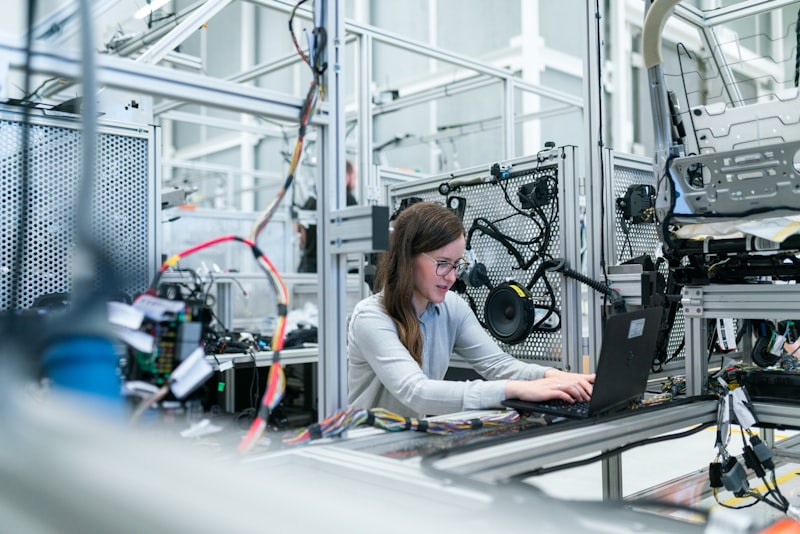
America's physical and digital infrastructure was built for a different era. Our power grids, transportation networks, and manufacturing base are showing their age just as the demands on them are accelerating. Meanwhile, transformative technologies — AI, clean energy, advanced manufacturing — are reshaping what's possible.
Why It Matters
The countries that master these transitions will lead the 21st century. The ones that don't will depend on those who do. This isn't just about economic competitiveness — it's about national resilience and the ability to control our own future.
Key Questions We Explore
- How do we rebuild manufacturing capacity without repeating past mistakes?
- What does resilient infrastructure look like in an era of climate change and cyber threats?
- How do we harness AI and automation to create prosperity, not displacement?
- What role should government play in driving technological development?
Preparing Our People
The Challenge
The skills that built middle-class prosperity for the last 50 years aren't the skills the next 50 years will require. Yet our education and training systems are largely designed for an economy that no longer exists. The result: skills gaps, underemployment, and a growing sense that the system isn't working for regular people.
Why It Matters
Economic transitions create winners and losers. The question is whether we prepare people for what's coming or leave them to figure it out alone. Countries that invest in their workforce will have a massive advantage. Those that don't will face social instability and declining competitiveness.
Key Questions We Explore
- How do we make vocational training as respected as college education?
- What does lifelong learning look like when careers span 50+ years?
- How do we help communities dependent on declining industries find new paths?
- What's the right balance between automation and employment?
Strengthening Our Systems
The Challenge
Trust in institutions — government, media, business, education — is at historic lows. Some of this is earned. Decades of policy choices have concentrated prosperity in a handful of metro areas while leaving much of the country behind. The gap between what institutions promise and what they deliver has eroded faith in the system itself.
Why It Matters
You can't navigate major transitions without institutions people trust. When faith in government, business, and civic life collapses, you get paralysis at best and instability at worst. Rebuilding that trust requires both better performance and better responsiveness to people's actual concerns.
Key Questions We Explore
- How do we spread economic opportunity beyond major metros?
- What does effective industrial policy look like in the 21st century?
- How do we make government more responsive without making it more partisan?
- What institutional reforms would actually restore public trust?
Americans Agree on More Than We Think
Made in America
Support requiring American-made products for critical infrastructure
Skills Training
Believe we need more vocational training alongside college pathways
Domestic Manufacturing
Want investment in rebuilding American manufacturing capacity
Infrastructure
Support modernizing America's physical and digital infrastructure
Stay Informed
Get weekly insights on the issues that will shape America's next chapter — delivered straight to your inbox.